
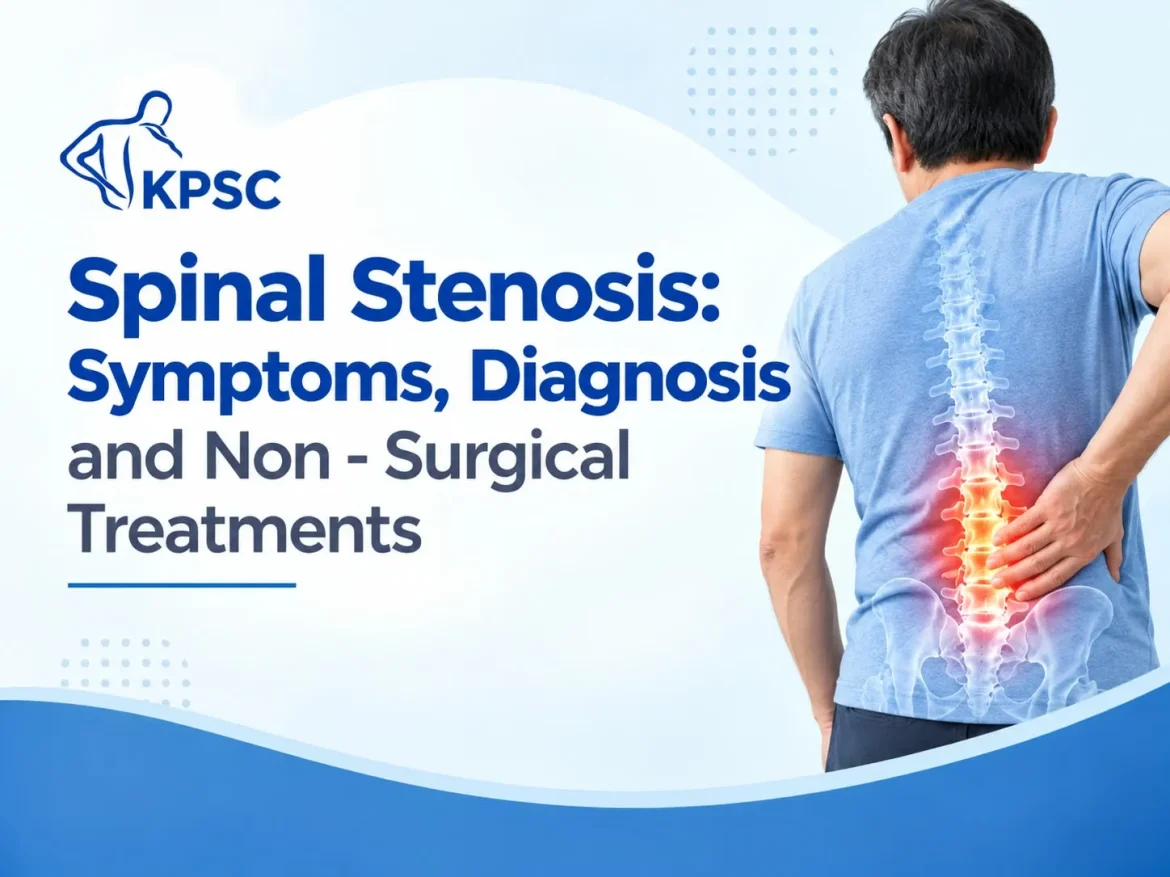
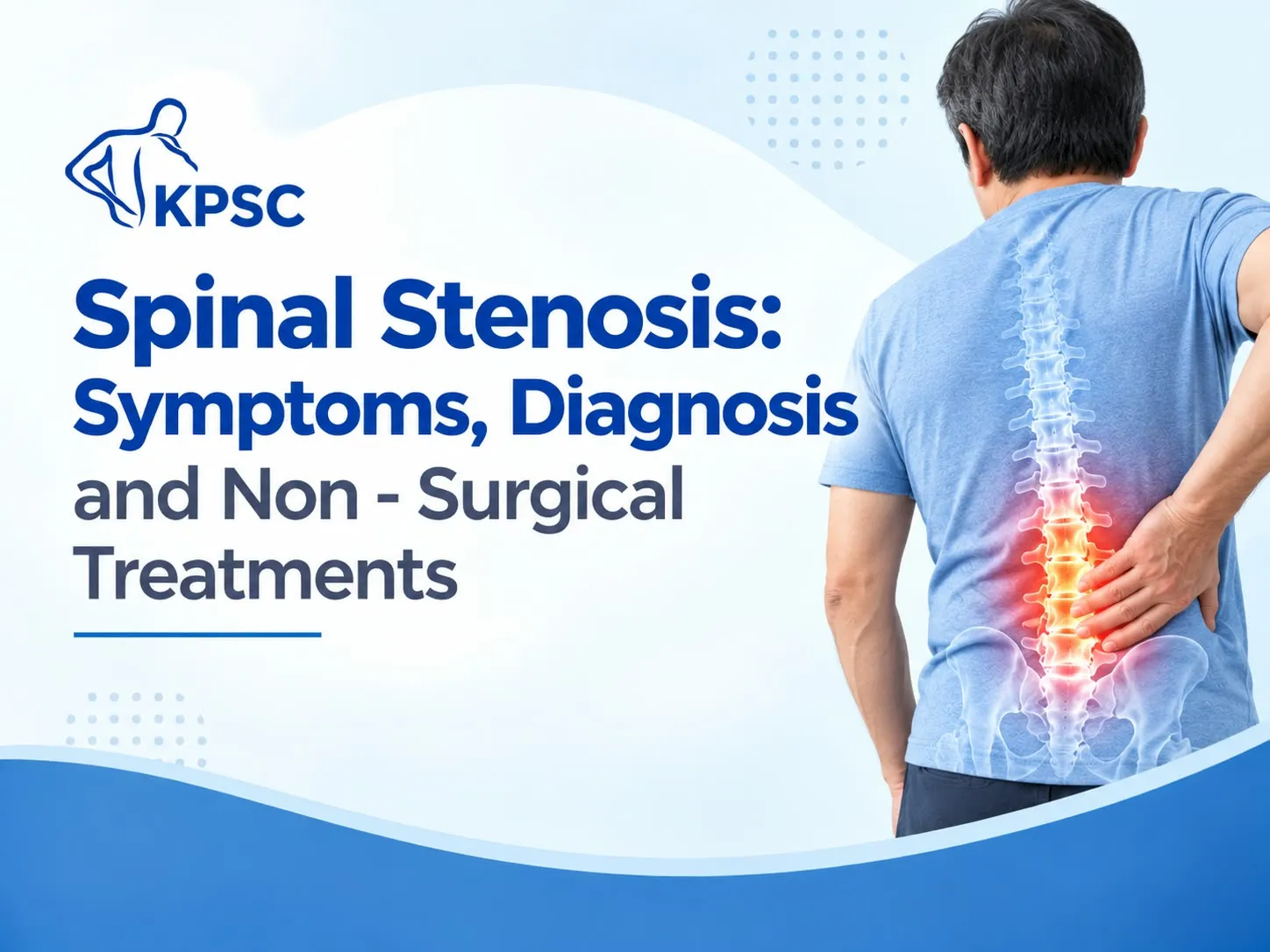
Walking through neighborhood markets or standing comfortably during family gatherings should not be an exhausting ordeal. Across Kolkata, countless older adults and working professionals find their daily walking distance shrinking due to persistent leg heaviness, lower back cramping, and numbness. Many assume that this progressive loss of mobility is simply an unavoidable part of aging or that major open spinal surgery is their only path forward. In reality, modern spinal stenosis treatment offers targeted, non-surgical clinical solutions that decompress irritated spinal nerves, restore physical endurance, and preserve daily independence.
Spinal Stenosis Treatment and Spinal Canal Anatomy
The spine is an intricate protective column housing the delicate spinal cord and branching nerve roots. The central spinal canal provides a sheltered tunnel for these neural pathways, while small lateral openings known as neural foramina allow individual nerves to travel down into the hips and legs.
With age, gradual degenerative wear alters this canal architecture. Intervertebral discs lose hydration and bulge backward into the canal space. Concurrently, spinal ligaments—particularly the ligamentum flavum—thicken, and facet joints develop arthritic bone spurs. These structural shifts progressively narrow the internal space of the spinal canal.
When mechanical space tightens, local blood circulation to passing nerves drops and chronic pressure builds. Seeking timely spinal stenosis treatment prevents permanent nerve irritation and helps halt progressive muscle weakness. At Kolkata Pain Relief, our clinical evaluations pinpoint the exact spinal level experiencing neural compression before designing an individualized recovery protocol.
Recognizing Lumbar Spinal Stenosis Symptoms
Understanding the precise clinical pattern of lumbar spinal stenosis symptoms is essential for distinguishing canal narrowing from simple muscular lower back strain. The condition most frequently affects the lumbar region, creating symptoms that travel from the lower spine down into both legs.
The hallmark manifestation of canal narrowing is neurogenic claudication. Patients experience an aching heaviness, cramping, or pins-and-needles sensation in the buttocks, thighs, and calves after walking a predictable distance. These discomforts intensify during upright standing because an extended spine naturally narrows the spinal canal diameter further.
Conversely, patients often notice that sitting down, squatting, or leaning forward over a shopping cart or table brings prompt relief. This forward flexion widens the spinal canal by a few crucial millimetres, momentarily restoring blood supply to pinched nerve roots.
Unlike vascular problems that cause leg cramping regardless of posture, lumbar spinal stenosis symptoms are directly posture-dependent. Over time, untreated nerve compression can cause subtle leg weakness, balance instability, and a tendency to stumble on uneven pavements.
Primary Causes of Progressive Spinal Canal Narrowing
Spinal canal narrowing arises from combined age-related degenerative changes, repetitive mechanical wear, and congenital factors:
- Degenerative Disc Desiccation: Aging intervertebral discs lose height and bulge outward, reducing the vertical and transverse diameter of the canal.
- Hypertrophy of the Ligamentum Flavum: Chronic mechanical instability causes spinal ligaments to thicken and buckle inward against spinal nerves.
- Facet Joint Osteoarthritis: Worn posterior facet joints enlarge and develop osteophytes, crowding both the central canal and lateral nerve exits.
- Degenerative Spondylolisthesis: Forward slippage of one lumbar vertebra over another creates an abrupt mechanical bottleneck within the spinal column.
- Congenital Narrowing: Some individuals inherit naturally narrow spinal canals, causing mild degenerative changes in mid-life to produce early, severe nerve crowding.
Clinical Diagnosis by a Spinal Stenosis Specialist in Kolkata
An accurate medical diagnosis separates true spinal stenosis from peripheral vascular disease, diabetic neuropathy, and hip joint arthritis. Consulting an experienced spinal stenosis specialist in Kolkata ensures a thorough diagnostic workup tailored to your functional mobility limitations.
The diagnostic process begins with a comprehensive neurological examination. Your specialist assesses lower-limb muscle reflexes, sensory nerve responses, and walking stamina. Specific postural maneuvers help verify whether spinal extension provokes leg heaviness and whether forward flexion relieves it.
To visualize the interior of the spinal canal with objective clarity, clinicians use advanced imaging modalities. Magnetic Resonance Imaging (MRI) remains the gold standard, providing detailed cross-sectional views of soft-tissue disc bulges, thickened ligaments, and compressed thecal sacs.
For patients who cannot undergo MRI scans, high-resolution CT myelography provides precise architectural views of bony narrowing and nerve impingement. These diagnostic insights allow your specialist to map out an accurate non-surgical plan without reliance on guesswork.
Comprehensive Approaches to Spinal Stenosis Treatment
Non-surgical care encompasses a spectrum of targeted therapies matched to the severity of canal narrowing, patient age, and daily functional limitations.
| Clinical Stage | Treatment Modality | Therapeutic Mechanism | Target Patient Outcome |
| First-Line Conservative | Posture-focused physical therapy and core flexion exercises | Opens spinal canal diameter, unloads lumbar facet joints, and stabilizes the torso | Mild intermittent claudication and early walking discomfort |
| Pharmacological Support | Neuropathic pain agents and targeted anti-inflammatories | Calms hyperactive nerve firing and reduces peripheral tissue swelling | Short-term management during painful symptom flare-ups |
| Precision Interventional | Fluoroscopy-guided epidural steroid injections (transforaminal / interlaminar) | Delivers concentrated anti-inflammatory medicine directly around compressed nerve roots | Moderate to severe walking limitations unresponsive to oral medication |
| Minimally Invasive Outpatient | Percutaneous adhesiolysis or interspinous spacer therapy | Clears inflammatory fibrosis or preserves spinal canal volume during standing | Chronic canal narrowing seeking to avoid major spinal decompression surgery |
Conservative Strategies for Spinal Stenosis Pain Relief
First-line medical management emphasizes conservative care designed to maximize functional walking distance and deliver sustainable spinal stenosis pain relief. Rather than complete bed rest, which leads to muscle deconditioning, structured physical activity keeps spinal tissues flexible.
Therapeutic exercise programs focus primarily on flexion-based movement protocols. Gentle stationary cycling, water aerobics, and seated pelvic tilts encourage the spine to curve forward, maximizing canal volume while exercising. Strengthening abdominal muscles provides an internal support column that reduces excessive lumbar lordosis during daily standing.
Temporary supportive lumbar orthoses or abdominal binders can assist during necessary outdoor walks or prolonged chores. Along with ergonomic corrections, these conservative measures provide meaningful spinal stenosis pain relief for many individuals during the early stages of degeneration.
Advanced Non-Surgical Interventions and Epidural Procedures
When guided physical therapy and medications alone cannot overcome persistent walking limitations, precision interventional procedures bridge the gap. Modern pain medicine avoids generalized injections in favor of image-guided therapies performed in sterile day-care settings.
Fluoroscopy-guided transforaminal epidural steroid injections deliver concentrated anti-inflammatory solutions directly onto irritated nerve sheaths. By reducing localized edema and washing away chemical inflammatory mediators, this procedure helps pinched nerves regain healthy microcirculation.
For patients with multi-level degenerative narrowing or post-surgical scar tissue, percutaneous adhesiolysis uses a specialized steerable catheter to gently free nerve roots from fibrous tissue. These advanced, day-care interventions provide lasting spinal stenosis pain relief, allowing patients to walk further and resume an active lifestyle without extensive surgical downtime.
Key Benefits of Non-Surgical Stenosis Management
Choosing evidence-based interventional pain management over immediate surgical spinal fusion offers significant clinical and personal benefits:
- Preserved Spinal Biomechanics: Non-surgical interventions relieve nerve compression while leaving natural spinal ligaments, vertebral bones, and muscles intact.
- Minimal Procedure Downtime: Day-care procedures require no prolonged hospital stays, allowing patients to walk comfortably and return home the same day.
- Safer Profile for Seniors: Avoids general anesthesia risks, heavy blood loss, and protracted post-operative wound healing in older patients with co-existing medical conditions.
- Reduced Medication Dependency: Diminishes the need for daily painkillers, shielding the stomach, liver, and kidneys from long-term drug side effects.
Daily Movement Habits and Spine Protection
Managing lumbar canal narrowing over the long term requires adopting spinal-friendly habits during everyday activities. Modifying everyday movement patterns significantly reduces cumulative mechanical compression on sensitive nerve roots.
When walking outdoors, taking short planned pauses to sit down or lean forward relieves early leg fatigue before severe cramping sets in. Utilizing a supportive walking cane or a lightweight rolling walker provides stability while gently flexing the lumbar spine forward.
Avoid sleeping on your stomach, as this forces the lower spine into backward extension, compressing the spinal canal during the night. Instead, sleep on your side with a supportive pillow placed between your knees, or on your back with a large bolster under your thighs. These resting postures keep the lower spine in a comfortable, relaxed position.
Compassionate Clinical Care at Kolkata Pain Relief
Living with chronic nerve compression and reduced mobility impacts your personal independence, emotional well-being, and ability to enjoy time with family. At Kolkata Pain Relief, our clinical approach focuses on finding the exact cause of your pain and offering effective non-surgical treatments rather than relying on open surgery.
Led by Dr. Krishna Poddar, a recognized pioneer in interventional pain and spine medicine, our clinical team brings decades of medical expertise to managing spinal conditions. Every patient undergoes an in-depth clinical assessment that evaluates posture, walking stamina, and imaging to build a personalized care plan.
By combining modern imaging techniques, targeted epidural procedures, and structured rehabilitation, Kolkata Pain Relief delivers comprehensive, compassionate care designed to help you move comfortably again.
Consult an Experienced Spinal Stenosis Specialist in Kolkata
Do not allow persistent leg cramping, numbness, or walking stiffness to compromise your daily independence. You can consult a qualified spinal stenosis specialist in Kolkata to discuss your symptoms and explore effective non-surgical treatment options.
Get in touch with the medical team at Kolkata Pain Relief today through our official website or contact our clinic directly to book your appointment. Take an important step toward lasting comfort and enjoy moving freely once again.
Conclusion
Experiencing leg heaviness and walking limitations does not mean you must accept a sedentary lifestyle or submit immediately to major surgical procedures. Lumbar spinal stenosis is an identifiable anatomical issue with a predictable mechanical pattern that responds well to structured, non-surgical clinical care.
By diagnosing the problem early through advanced imaging and clinical evaluation, you can avoid months of ineffective treatments and progressive physical decline. Targeted interventional therapies calm inflamed nerve roots, while guided flexion exercises build the strength needed to keep spinal passages open.
Protecting your mobility begins with proactive, evidence-based care. With timely medical guidance, mindful daily habits, and advanced non-surgical therapies, maintaining an active, independent routine is an achievable reality.
Frequently Asked Questions
1.What does spinal stenosis pain feel like?
Spinal stenosis pain feels like deep aching, heaviness, or cramping in the lower back, buttocks, and legs while walking. Standing upright worsens the discomfort, while sitting or leaning forward provides fast relief.
2.Can spinal stenosis be treated without surgery?
Yes, most patients achieve lasting comfort without surgery. Effective non-surgical treatments include flexion-focused physical rehabilitation, oral nerve medications, and image-guided epidural steroid injections.
3.How do doctors diagnose spinal stenosis accurately?
A specialist diagnoses spinal stenosis through a physical exam assessing walking stamina and reflexes, followed by an MRI scan. An MRI visualizes canal diameter and confirms which nerve roots are compressed.
4.Why does sitting down relieve spinal stenosis symptoms?
Sitting bends the lumbar spine forward into slight flexion. This natural forward bend opens up the central canal and neural foramina, reducing pressure on pinched nerves and restoring local blood circulation.
5.When should you consult a spinal stenosis specialist in Kolkata?
You should consult a spinal stenosis specialist in Kolkata if walking distance decreases noticeably, leg numbness persists, or lower back pain fails to improve after three weeks of rest and routine care.