
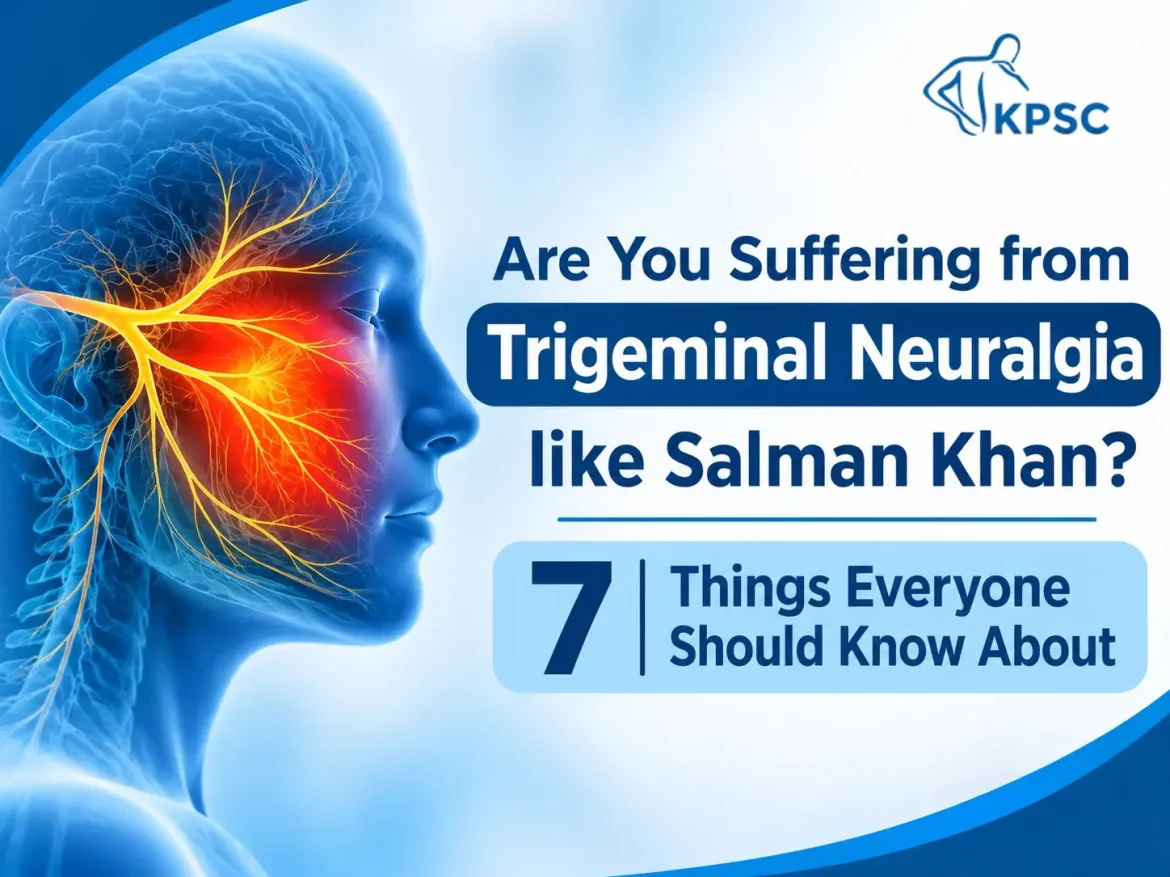
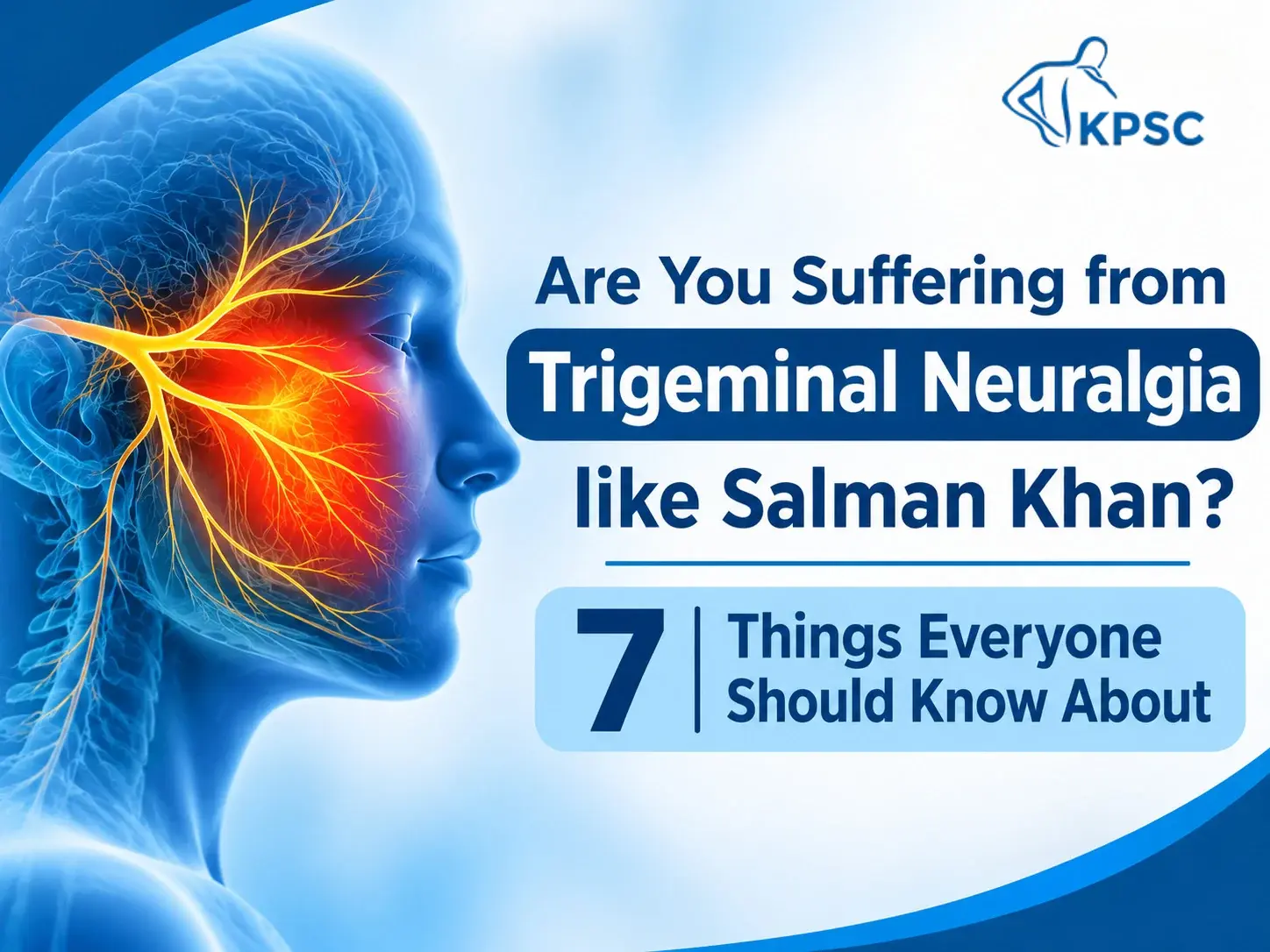
You’re brushing your teeth, or sipping tea, or just stepping out into a breeze, and a bolt of pain shoots across your face. It’s over in seconds. Then it comes back. If that sounds familiar, you’re not imagining it. This is the classic pattern of trigeminal neuralgia. Even Salman Khan has spoken openly about living with it for years, and about how he first took it for a dental problem. Plenty of people make the same mistake, which is why severe facial pain like this so often goes untreated. Here are seven things worth knowing.
What Is Trigeminal Neuralgia?
Trigeminal neuralgia is a nerve condition that causes sudden, stabbing, electric-shock pain on one side of the face. It involves the trigeminal nerve, which carries sensation from your forehead, cheek and jaw to the brain. Think of it as a wiring fault. The face itself is fine, but the nerve fires pain signals when it shouldn’t. You may also hear it called facial nerve pain, though strictly speaking it’s the trigeminal nerve that’s involved.
Trigeminal Neuralgia Symptoms to Watch For
The trigeminal neuralgia symptoms are quite distinctive:
- Short, sharp, electric-shock or stabbing pain, usually on one side
- Triggers like brushing, chewing, talking, shaving or a cold breeze
- Attacks lasting a few seconds to a couple of minutes, sometimes coming in bursts
- Pain-free gaps between attacks, at least in the early days
- Avoiding food, washing your face or even talking because you fear the next jolt
Over time, that fear can lead to weight loss, poor sleep and low mood.
Trigeminal Neuralgia Causes
Doctors point to a few trigeminal neuralgia causes:
- Blood vessel pressure: the most common one, where a vessel presses on the nerve near the brainstem
- Multiple sclerosis: damage to the nerve’s protective coating
- Tumours or cysts: pressing on the nerve (less common)
- Unknown reasons: sometimes no clear cause shows up
It’s seen more often in older adults, and in many studies women are affected more than men.
It’s Often Mistaken for a Dental Problem
Here’s the catch. The pain feels like it’s in the teeth or jaw, so many people head straight to a dentist. Some end up with fillings or extractions that don’t help. Salman Khan has said he assumed his pain was dental too. If your severe facial pain is electric, one-sided and set off by a light touch, and your teeth check out fine, ask for a nerve pain assessment.
How Is It Diagnosed?
- A detailed conversation about your pain: where it is, how long it lasts, what sets it off
- A neurological examination
- An MRI to look for a compressing blood vessel, multiple sclerosis or a tumour
There’s no single blood test for it, so a doctor who listens carefully makes all the difference.
Trigeminal Neuralgia Treatment: What Are the Options?
Trigeminal neuralgia treatment usually moves in steps.
Medicines first: carbamazepine is the usual first choice, with oxcarbazepine as another option. Many people get good initial control. Your doctor may advise a genetic test before carbamazepine, especially for people of Asian descent.
Interventional procedures: nerve blocks or radiofrequency treatment can help when tablets don’t work or cause side effects.
Surgery or radiosurgery: microvascular decompression, gamma knife or other nerve-root procedures for stubborn cases.
No two patients are alike, and pain can return later, so follow-up matters.
When to See a Pain Consultant
Don’t wait it out if:
- Attacks keep coming back
- The pain is stopping you from eating, talking or sleeping
- Tablets aren’t helping, or are making you drowsy or unwell
A Pain Consultant in Kolkata can examine you, work out the likely cause and plan your treatment. At Kolkata Pain Clinic, we treat trigeminal and occipital neuralgia alongside other nerve pain conditions, with interventional and non-surgical options chosen for each patient.
Final Thoughts
When a well-known face talks about something like trigeminal neuralgia, it does one useful thing: it gets people asking questions. And that’s what you should do if sudden facial pain has become part of your day.
- Don’t put it down to a bad tooth without checking.
- Don’t keep stacking up painkillers on your own.
- Do get a proper assessment, because the right trigeminal neuralgia treatment can bring the pain under control.
Eating, talking and washing your face shouldn’t feel risky. With the right diagnosis and a step-by-step plan, most people get back to normal life.
FAQs
1. What is trigeminal neuralgia, and what are the first signs?
Trigeminal neuralgia is a nerve disorder that causes sudden, electric-shock pain on one side of the face. Early on, it often shows up as brief jolts when you chew, brush your teeth or touch your cheek.
2. What causes trigeminal neuralgia, and can it go away on its own?
The most common of the trigeminal neuralgia causes is a blood vessel pressing on the nerve. Less often it’s multiple sclerosis or a tumour. The pain can ease for weeks or months, but it usually comes back, so it needs a proper check.
3. How is trigeminal neuralgia different from a toothache or migraine?
A toothache is usually dull or throbbing, with a dental cause. A migraine lasts for hours, often with nausea and light sensitivity. Trigeminal neuralgia is a sudden, electric jolt lasting seconds to minutes, set off by light touch.
4. What is the best treatment for trigeminal neuralgia?
There’s no one answer. Trigeminal neuralgia treatment typically starts with medicines such as carbamazepine, then moves to nerve blocks, radiofrequency treatment or surgery if needed. A doctor decides after examining you.
5. Which doctor should I see in Kolkata for severe facial pain?
Start with a pain consultant or a neurologist. For ongoing severe facial pain or facial nerve pain, a pain clinic can find the cause and plan targeted treatment in one place.
Book a Consultation
Living with severe facial pain or the signs of trigeminal neuralgia? Don’t wait for the next attack. Speak to a Pain Consultant in Kolkata and get a clear plan for trigeminal neuralgia treatment. Call +91 9432226838 or book an appointment online.