
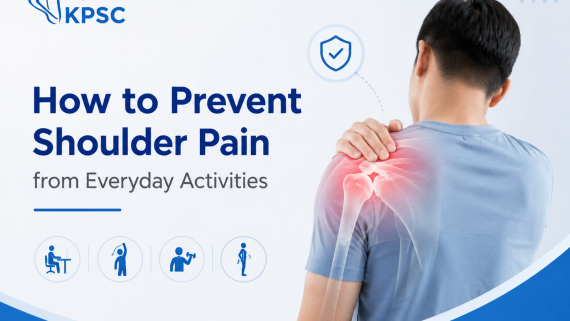
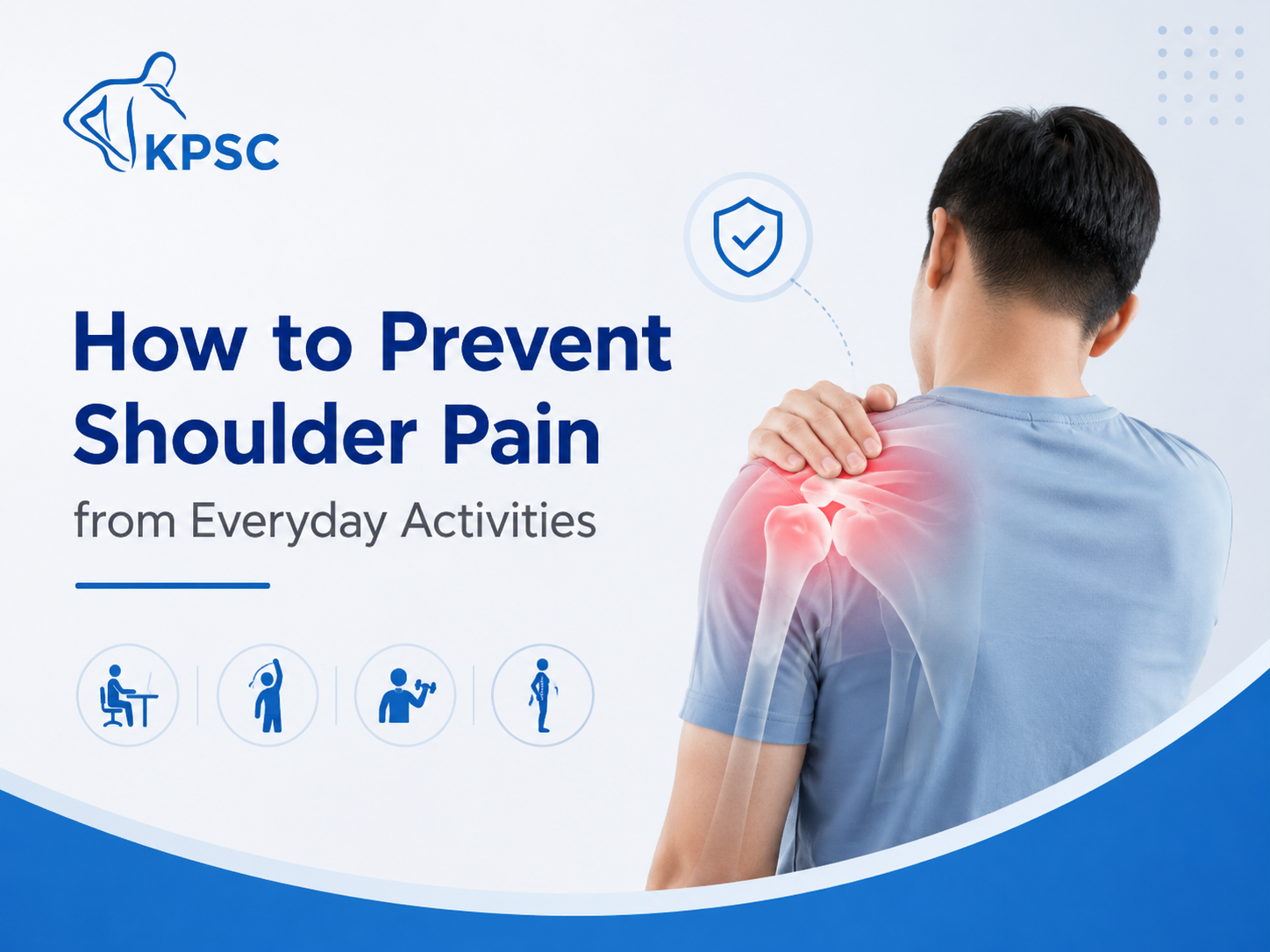
Shoulder pain prevention starts with small, everyday choices — the way you sit at your desk in Salt Lake, the way you sling your office bag over one shoulder on a crowded Kolkata Metro, or the position you sleep in after a long day of adda and errands. For many Kolkatans, shoulder discomfort creeps in quietly through repetitive movements, poor posture and rushed routines, only to turn into a stubborn ache that limits simple tasks like combing your hair or reaching for a shelf. The good news is that shoulder pain prevention is largely within your control. With the right habits, targeted exercises and timely guidance from Kolkata Pain Relief, you can protect your shoulders and keep moving freely through daily life.
Shoulder Pain Prevention Starts with Understanding the Joint
The shoulder is the most mobile joint in the human body. It is supported by the rotator cuff, a group of four muscles and tendons, along with the shoulder blade and collarbone working together. This wide range of motion is what allows you to lift, reach and rotate your arm freely, but it also makes the joint vulnerable to overuse and strain. Shoulder pain prevention depends largely on recognising how ordinary movements can gradually overload this joint over time.
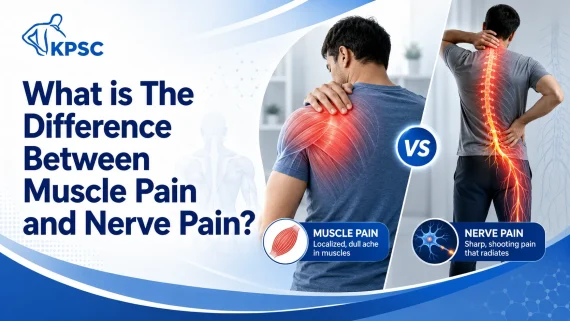
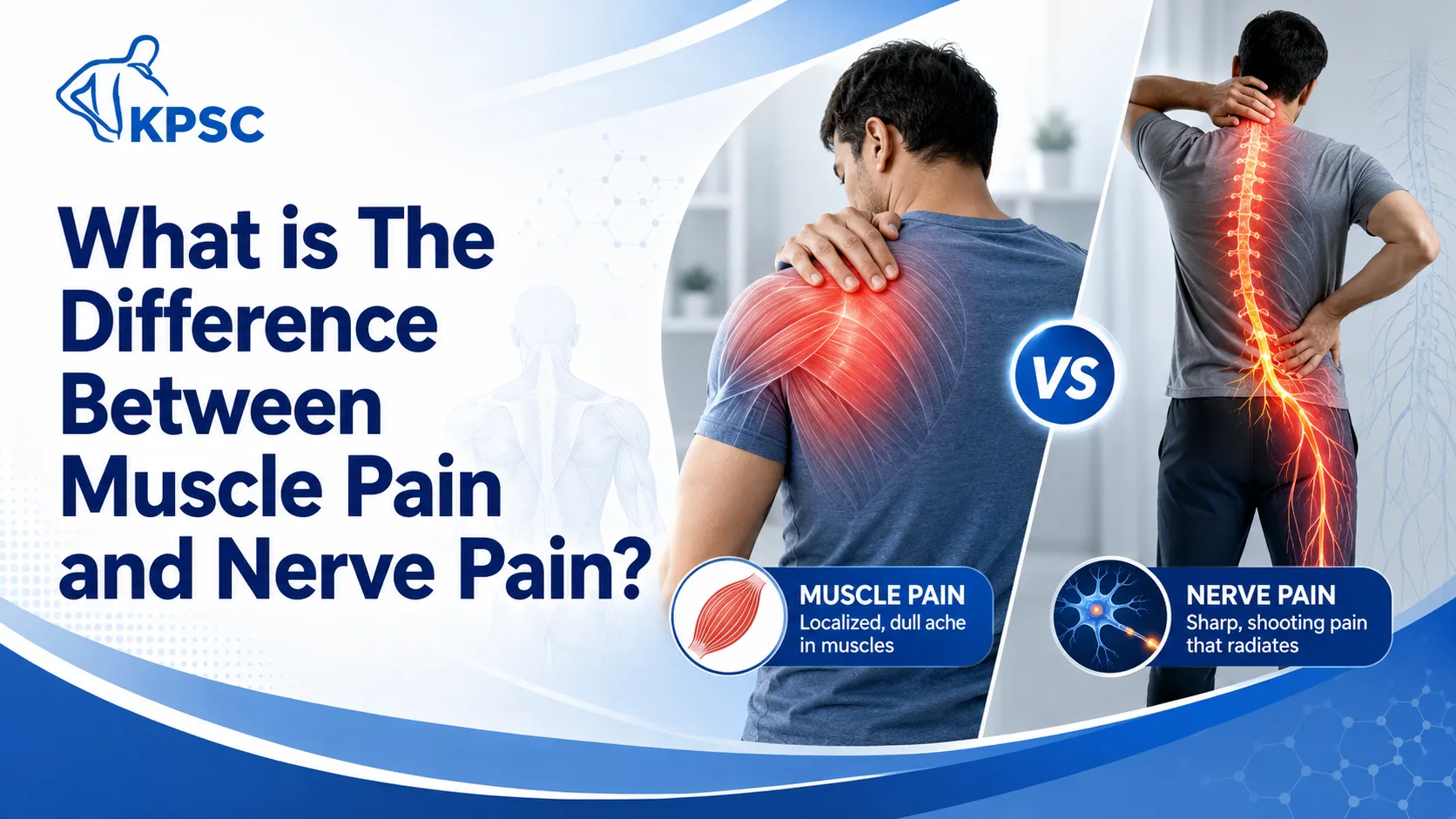
Experiencing sudden bodily discomfort can completely throw your daily routine out of gear. Whether it is a lingering ache in your lower back or a sharp sensation shooting down your leg, identifying the source is vital. Knowing the exact difference between muscle pain and nerve pain ensures you can seek the correct medical care promptly. Many people end up taking wrong over-the-counter medicines because they cannot distinguish between these two conditions. At Kolkata Pain Relief, we see patients daily who mistake complex neurological tension for a simple gym strain. Let us break down the mechanisms, sensations, and signs of these distinct bodily distresses.
Clinical Difference Between Muscle Pain and Nerve Pain
To tackle discomfort effectively, one must look at how these issues behave within the human body. The primary difference between muscle pain and nerve pain lies in the tissue of origin and the path the sensation travels. Medical evaluation reveals that these two conditions function in entirely separate ways:
- The Source Material: Muscular issues stem from structural fibers, tendons, or ligaments. Neurological discomf
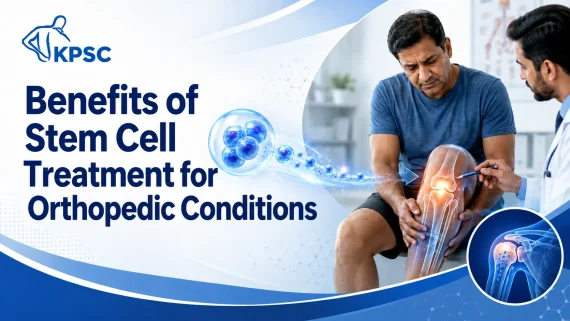
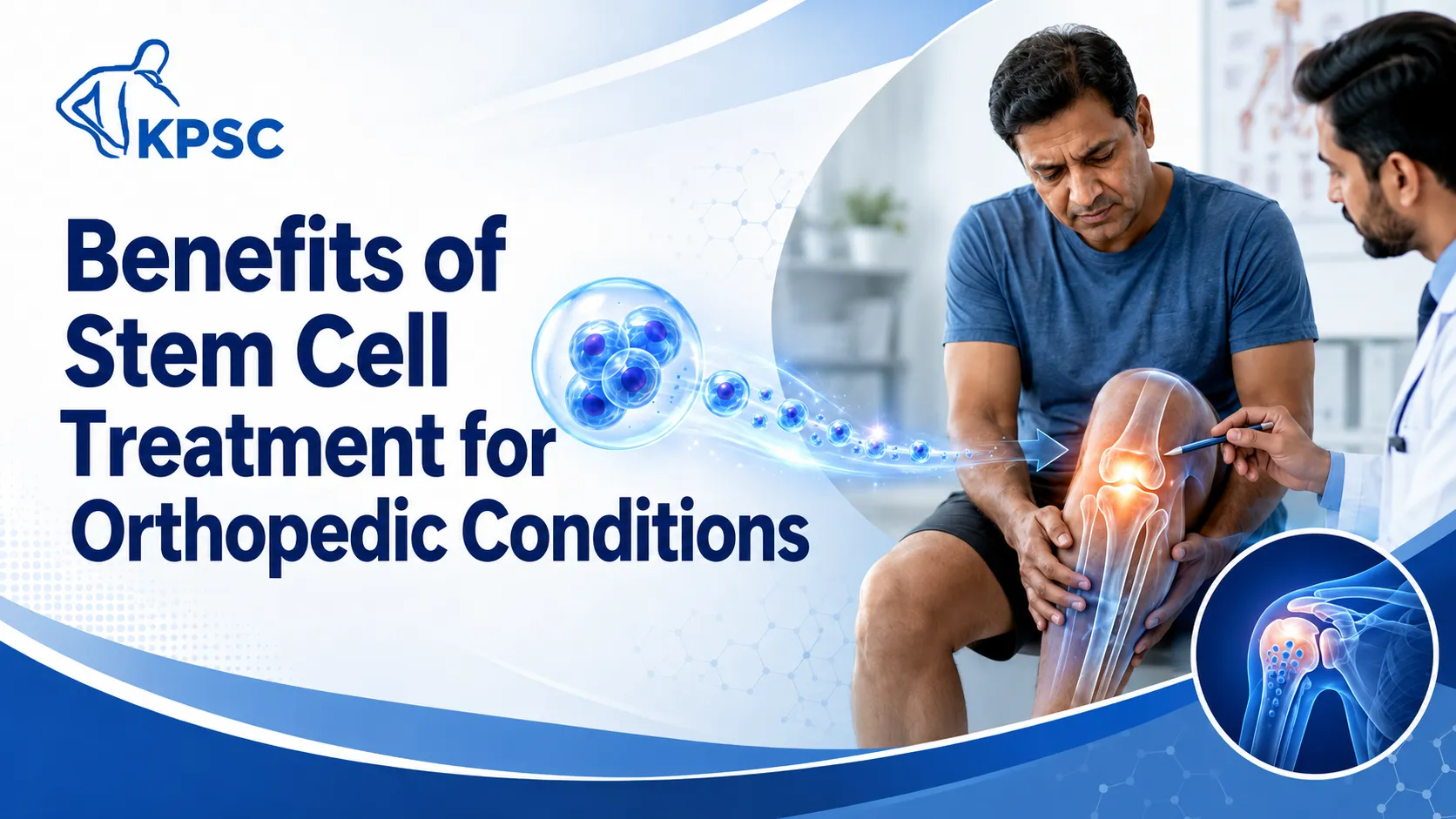
Stem Cell Treatment for orthopedic conditions is fast becoming a talked about option for people dealing with day-to-day joint trouble across India. If your knees, hips, or shoulders bother you constantly, and medicines or physiotherapy alone are not giving lasting relief, this treatment may open a new door. At Kolkata Pain Relief, more patients are asking about this non-surgical route for arthritis, ligament wear, and cartilage damage. This blog walks you through what the treatment means, how it works, and why it is gaining trust.
Understanding Stem Cell Treatment for Orthopedic Conditions
Mesenchymal stem cells are special cells, usually collected from a person’s own bone marrow or fat tissue, with the natural ability to grow into bone, cartilage, and muscle. This is what makes Stem Cell Treatment for orthopedic conditions so promising. Doctors collect these cells, process them under controlled conditions, and inject them directly into the affected joint. It is a supportive, regenerative option, not a guaranteed cure, and since the cells come from the same patient, rejection risk is very low.
How Stem Cell Therapy for Orthopedic Conditions Works
The process for stem cell therapy for orthopedic con
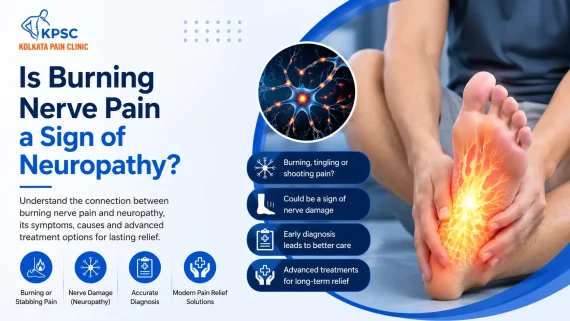
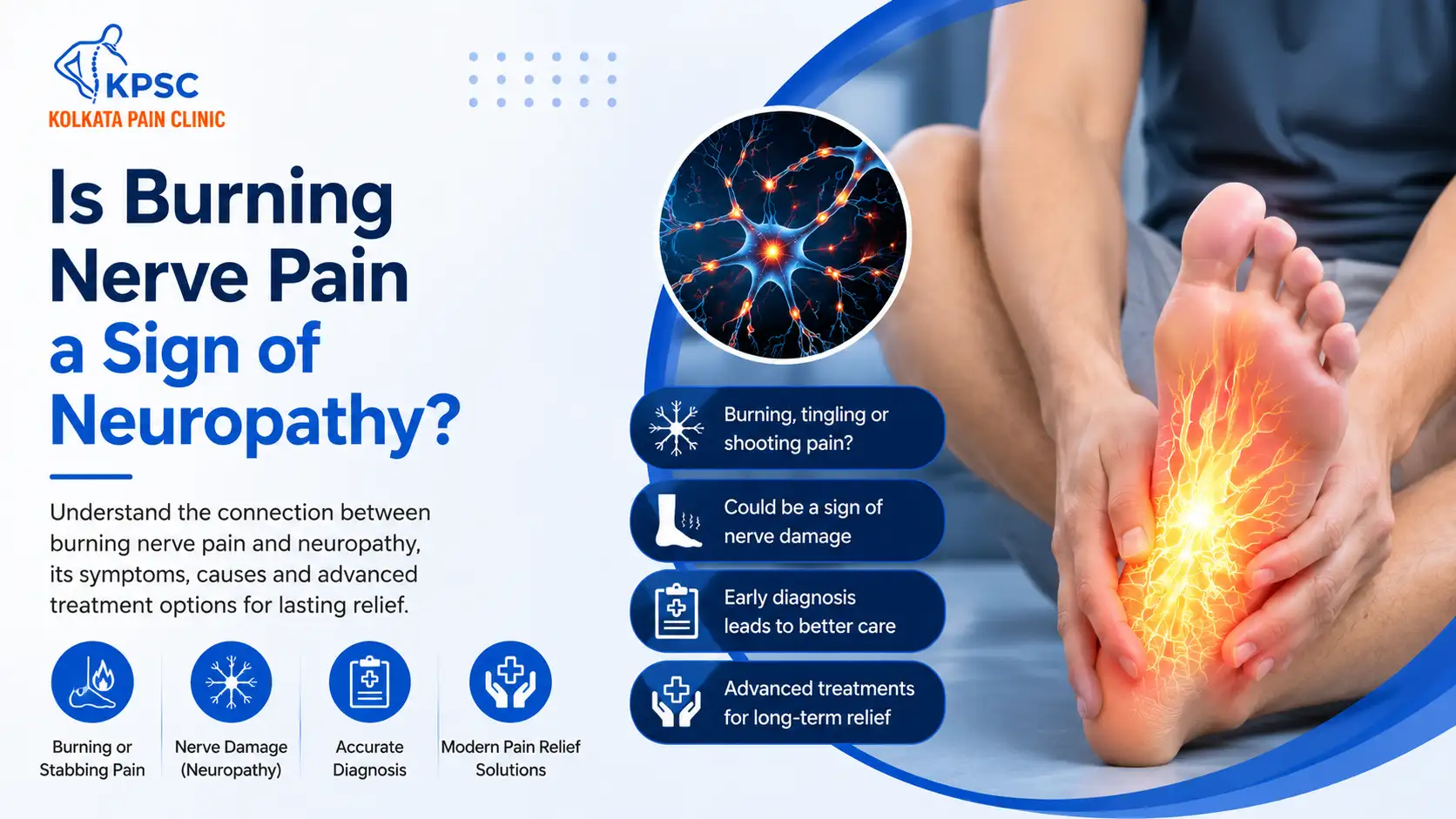
That persistent, fiery sensation in your feet or hands is not just discomfort. It could be a signal that your nerves are damaged or under pressure. Burning nerve pain is one of the most recognised signs of neuropathy, a condition that affects millions of people across India and globally. If you are experiencing this kind of pain regularly, understanding what is causing it is the first step towards finding real relief. This blog covers everything you need to know about burning nerve pain, from its connection to neuropathy to the treatment options available to you today.
Burning Nerve Pain and Its Link to Neuropathy
Neuropathy, or more specifically peripheral neuropathy, occurs when the peripheral nerves, those connecting your brain and spinal cord to the rest of the body, are damaged or malfunction. The nervous system begins sending incorrect or amplified pain signals, resulting in that distinct burning, shooting, or tingling sensation. Burning nerve pain is one of the hallmark presentations of neuropathy. It is not just an ordinary ache. It reflects a deeper disruption in how your nerves are communicating with your brain. Neuropathy affects approximately 6.9–10% of the global
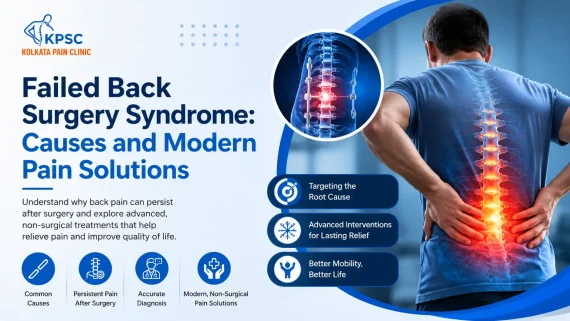
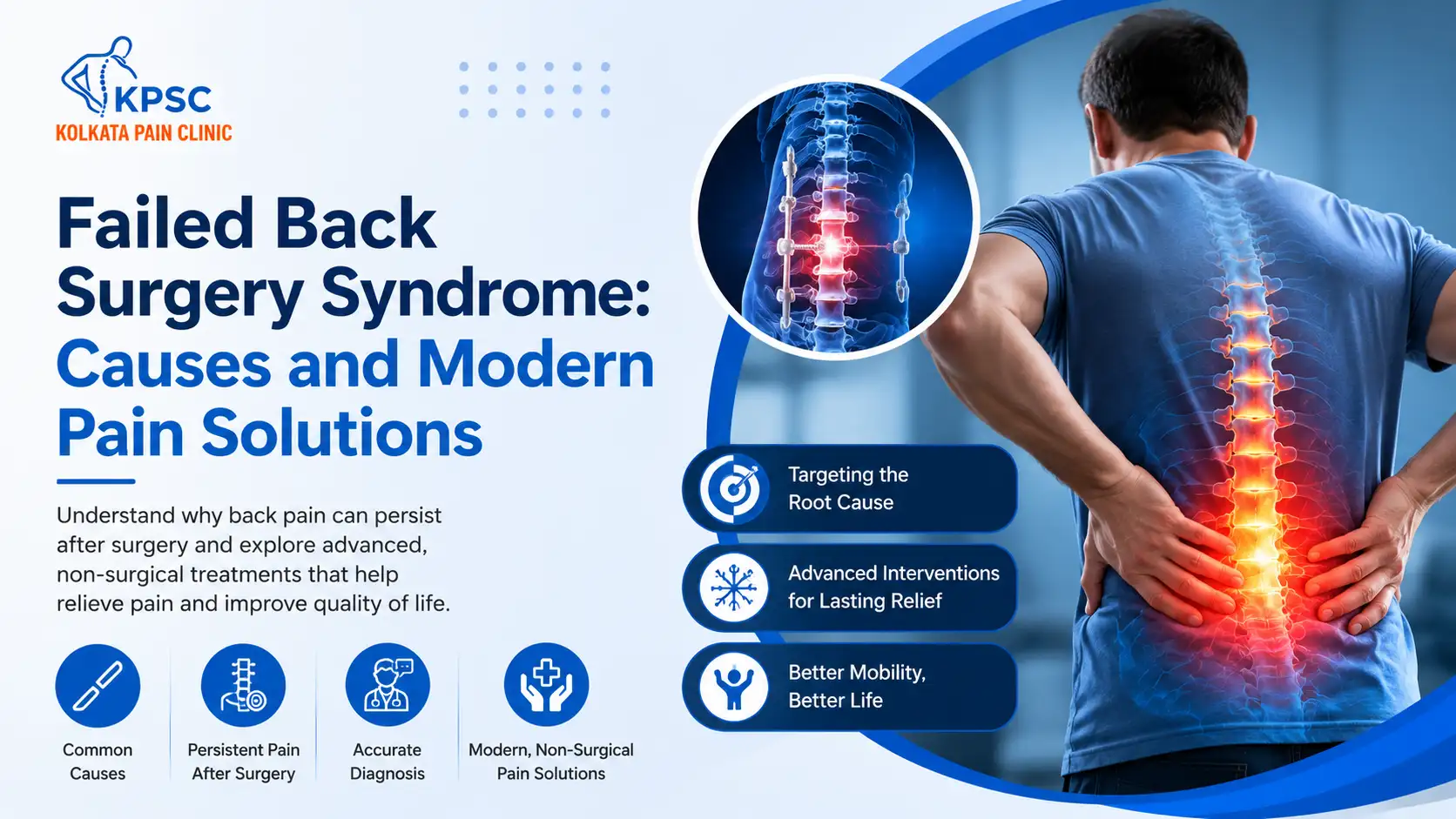
Back surgery is meant to bring relief. But for a significant number of patients, the pain persists or even worsens after the procedure. This condition is known as Failed Back Surgery Syndrome (FBSS), and it is more common than many people realise. If you have had back surgery and are still experiencing pain, you are not alone and proper Failed Back Surgery Syndrome treatment is available. Understanding this condition is the first step towards finding the right path forward.
Failed Back Surgery Syndrome: A Closer Look
Failed Back Surgery Syndrome refers to persistent or recurring back and leg pain that continues after one or more spinal surgeries. The term does not mean the surgery was performed incorrectly. It simply means the desired outcome, long-term pain relief, was not achieved. FBSS is also referred to as Post-Laminectomy Syndrome. It can follow procedures such as laminectomy, discectomy, spinal fusion, or other spinal decompression surgeries. The pain in FBSS is typically a combination of nociceptive and neuropathic pain, making it complex to manage without specialist care.
Common Failed Back Surgery Syndrome Causes
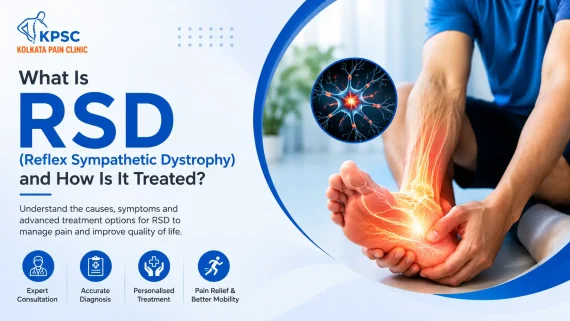
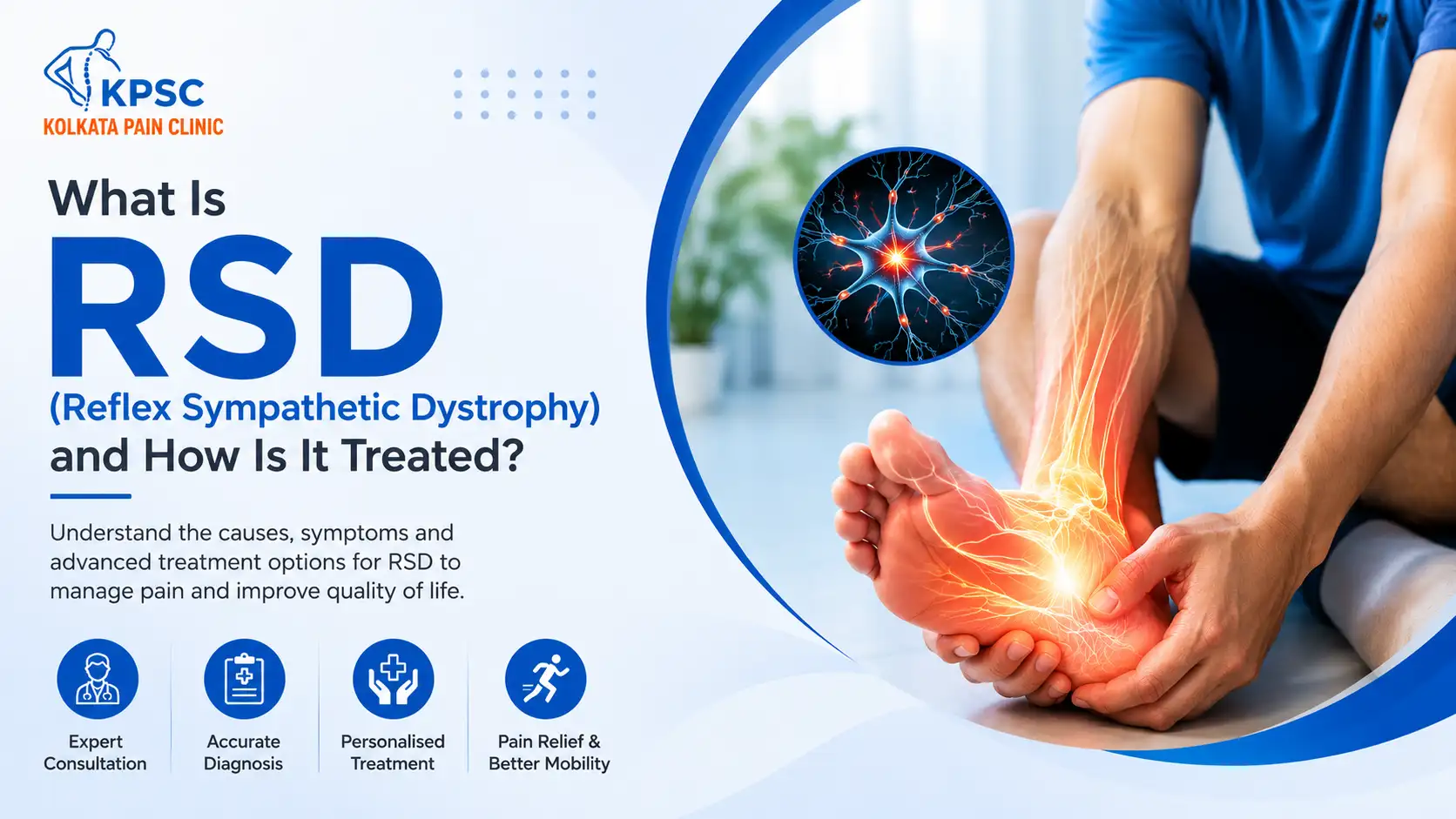
Living with constant, burning pain in your arm or leg is not something anyone should accept as normal. If this sounds familiar, you may be dealing with Reflex Sympathetic Dystrophy, or RSD. This chronic pain condition disrupts daily life and requires proper diagnosis and targeted RSD treatment to manage effectively. Understanding this condition is the first step towards reclaiming your quality of life. In this blog, we will walk you through what RSD actually is, how it presents itself, and what modern treatment options are available, including those offered by specialists right here in Kolkata.
RSD Treatment Starts With Knowing What It Is
Reflex Sympathetic Dystrophy (RSD) is a chronic pain condition, medically known as Complex Regional Pain Syndrome Type 1 (CRPS Type 1). It typically affects one limb, most commonly an arm, leg, hand or foot, following an injury, surgery, or trauma. The key characteristic of RSD is that the pain is disproportionately severe compared to the original injury. The condition arises from an abnormal response of the sympathetic nervous system, which governs blood flow and temperature regulation in the body. Common triggers of RSD include:
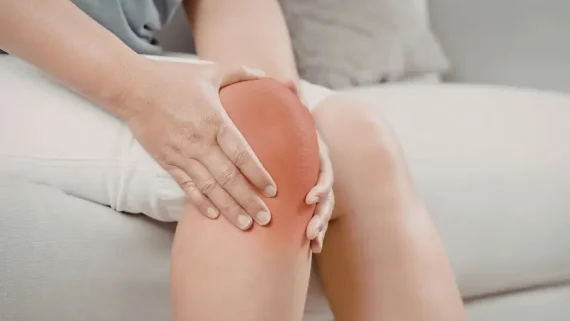
Sprain and Strain are two of the most common musculoskeletal injuries, but they are often confused with each other. Many patients often use the terms interchangeably, but from a medical perspective, they are two different conditions that need to be treated in a certain way. It is important to understand the sprain and strain difference in order to ensure proper healing and avoid complications. At Kolkata Pain Relief, patients with sprain and strain injury are provided with proper diagnosis and the latest non-surgical treatment.
The Basic Sprain and Strain Difference Explained Clearly
Though both sprain and strain are injuries of soft tissues, the affected tissues are different. Sprain symptoms usually stem from an injury to ligaments. Ligaments are strong fibers of connective tissue that join bones together. On the other hand, strain symptoms occur from an injury to muscles or tendons. A tendon is a tissue that joins muscles to bones and is responsible for movements. The knowledge regarding sprain and strain difference can help one identify the affected tissue and the treatment method to be used.
What Happens in a Sprain Injury
A sprain occurs when a ligament is stretched beyond its normal capacity or torn. This typically happens due to sudden twisting, falling or impact injuries. Common sites of sprain and strain injury include:
- Ankle
- Wrist

Running ranks as one of the easiest and most efficient ways to get exercise; but it is not without its risks. Sports Injuries in Runners can be a stopping point for you if that’s the case, and they can also be a source of pain that will last for a long time, no matter which kind of running you do, be it a marathon or just a jog over the weekend. Our specialists at Kolkata Pain Relief are equipped with the knowledge and experience to figure out and heal your running injuries in a meticulous and compassionate manner so that you can resume your running journey without having to worry about your safety.
Understanding Sports Injuries in Runners
Most of the time, sports injuries in runners arise from repetitive motions, bad running form, or insufficient rest. The scope of such injuries is from a simple muscle strain to the serious damage of ligaments or joints. Knowing the cause is definitely the first step to the right treatment of common running injuries. These most frequently happen causes are:
- Training excessively without giving your body enough time to rest and recover
- Wearing the wrong kind of shoes or using running shoes that are already worn out
- Bad posture or incorrect running technique
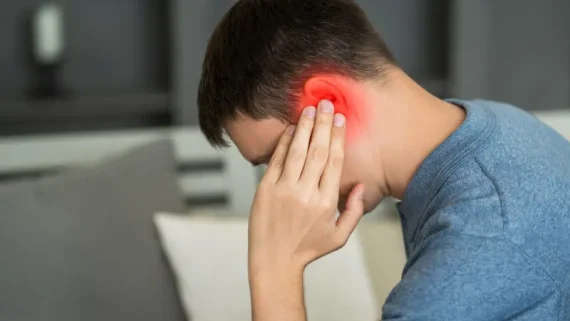


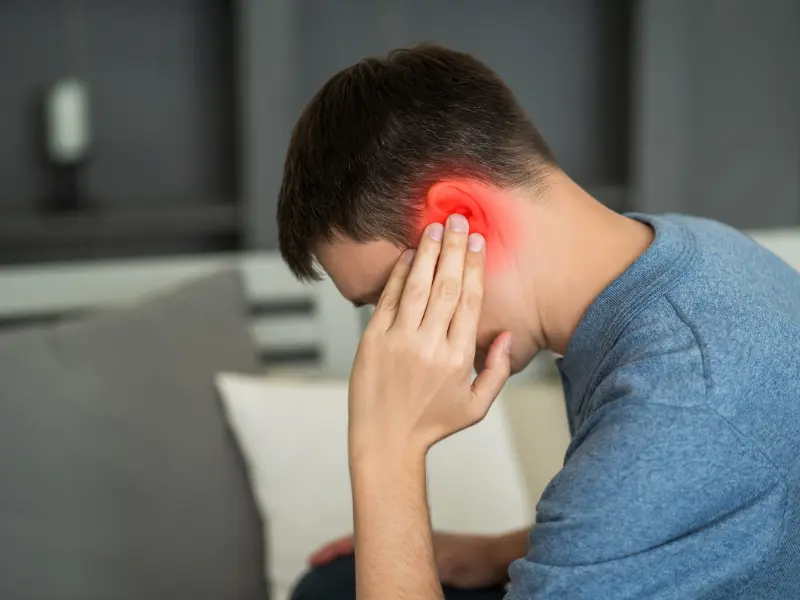
“When even talking or brushing your teeth feels like electric shocks in the face, that’s when expert care matters.” Trigeminal neuralgia is one of the most unbearable pain disorders a person could suffer from, but with the right diagnosis and treatment plan from a dedicated Trigeminal Neuralgia Specialist, the pathway towards healing and restoration is much more manageable. Kolkata Pain Relief in Kolkata aims to combine cutting-edge medical care with patient-centered, compassionate treatment.
What Is Trigeminal Neuralgia?
Trigeminal neuralgia (TN) is a chronic neuropathic facial pain syndrome that involves the trigeminal nerve- the fifth cranial nerve, which is responsible for sensation in the face. Pain is often presented in paroxysms like quick, stabbing, electric shock-like bursts of pain lasting seconds to minutes It usually is unilateral (one-sided) and can be triggered by light stimuli such as talking, eating, brushing, washing the face or even from wind Patients may not have pain between paroxysms, or may have some dull ache or burning pain in their face (especially in atypical cases) Because TN can mimic dental or sinus pain, misdiagnosis is very common in the early phases of the disease. This is why it is crucial to see a Trigeminal Neuralgia Specialist early.
Signs of Trigeminal Neuralgia: Be Alert
Typical Trigeminal Neuralgia Symptoms experien