
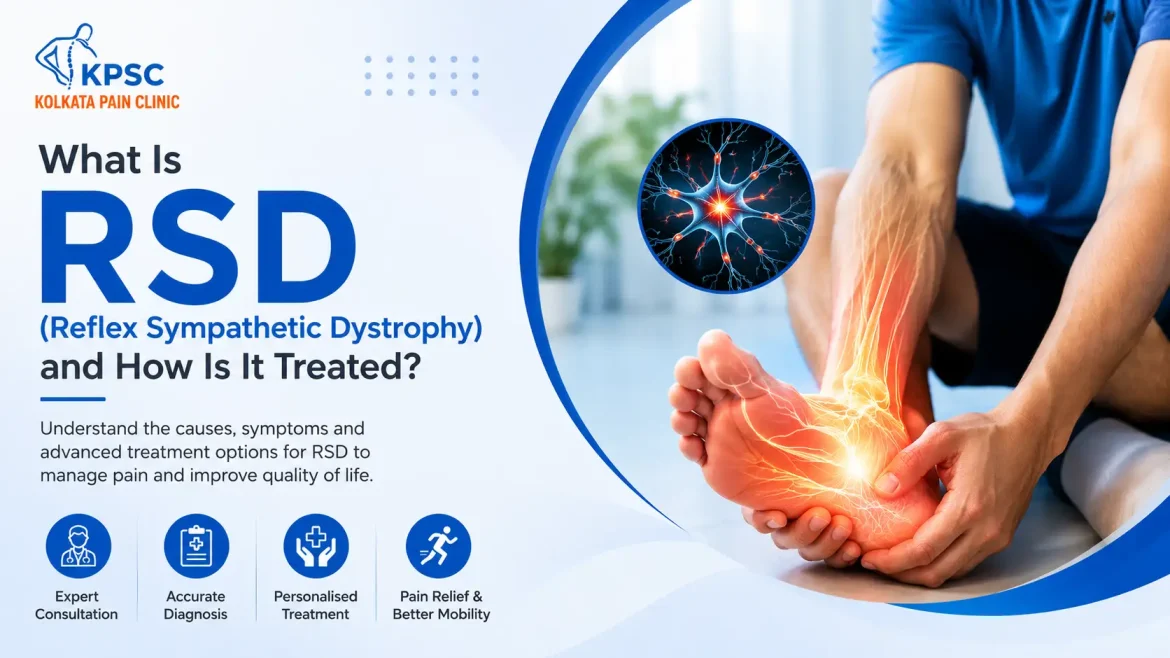
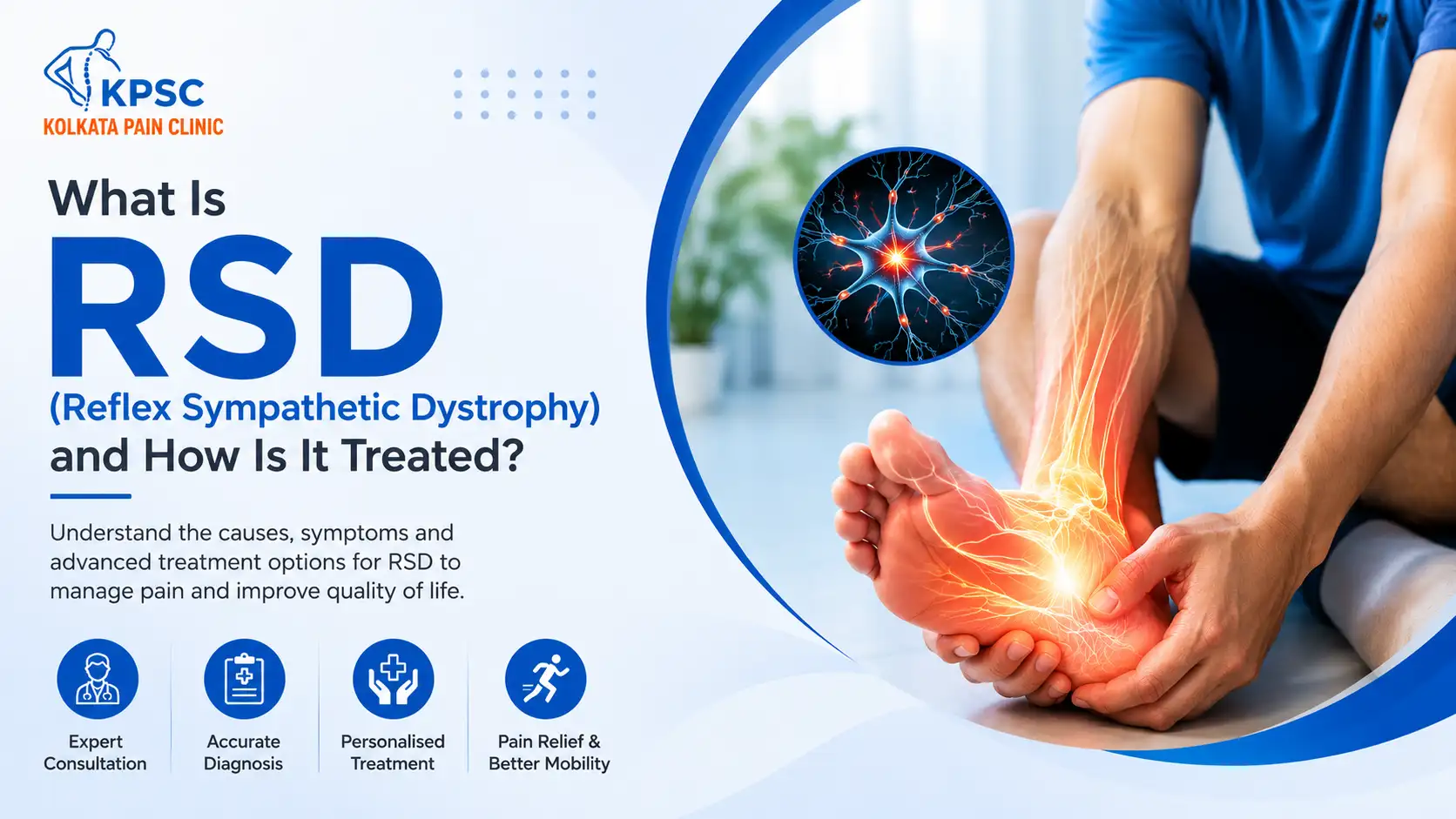
Living with constant, burning pain in your arm or leg is not something anyone should accept as normal. If this sounds familiar, you may be dealing with Reflex Sympathetic Dystrophy, or RSD. This chronic pain condition disrupts daily life and requires proper diagnosis and targeted RSD treatment to manage effectively. Understanding this condition is the first step towards reclaiming your quality of life.
In this blog, we will walk you through what RSD actually is, how it presents itself, and what modern treatment options are available, including those offered by specialists right here in Kolkata.
RSD Treatment Starts With Knowing What It Is
Reflex Sympathetic Dystrophy (RSD) is a chronic pain condition, medically known as Complex Regional Pain Syndrome Type 1 (CRPS Type 1). It typically affects one limb, most commonly an arm, leg, hand or foot, following an injury, surgery, or trauma.
The key characteristic of RSD is that the pain is disproportionately severe compared to the original injury. The condition arises from an abnormal response of the sympathetic nervous system, which governs blood flow and temperature regulation in the body.
Common triggers of RSD include:
- Fractures or soft tissue injuries
- Surgeries or medical procedures
- Stroke or heart attack
- Infections affecting the limb
- Even minor trauma in some cases
It is important to note that in RSD, there is no direct nerve injury, this is what distinguishes it from CRPS Type 2 (causalgia). Yet, the pain experienced can be intense, long-lasting, and deeply debilitating.
Recognising RSD Symptoms Early Can Make a Difference
Early identification of RSD symptoms plays a crucial role in limiting long-term damage. The sooner the condition is diagnosed, the better the chances of full or substantial recovery.
Primary RSD Symptoms to Watch For
- Burning or throbbing pain, usually in one limb
- Extreme sensitivity to touch or temperature changes
- Swelling of the affected area
- Changes in skin colour — ranging from red and blotchy to pale or bluish
- Skin that appears shiny, thin, or abnormally warm or cool
- Abnormal sweating in the affected area
- Limited range of motion and muscle stiffness
- Unusual hair and nail growth patterns on the affected limb
These RSD symptoms may vary in intensity and duration from person to person. In some cases, they progress through stages, worsening without proper care. If you or a loved one notices these signs, seeking expert evaluation promptly is strongly advised.
How Is RSD Diagnosed?
Diagnosing RSD is not straightforward. There is no single test that confirms it. A qualified pain specialist conducts a thorough physical examination and reviews the patient’s detailed medical history.
Supportive diagnostic tools include:
- X-rays to detect bone changes
- Bone scans (triple-phase bone scans) to detect abnormal blood flow patterns
- Thermography to measure temperature differences in the limb
- MRI scans for soft tissue evaluation
- Stellate ganglion nerve block, a positive response helps confirm RSD
At Kolkata Pain Relief, our specialists follow a structured and evidence-based diagnostic approach, ensuring that each patient receives an accurate assessment before beginning any treatment plan.
RSD Treatment: A Multi-Approach Strategy
Effective RSD treatment involves a combination of interventions tailored to the severity and stage of the condition. No single approach works for everyone, and a multidisciplinary team typically delivers the best outcomes.
Treatment is built on four key pillars: pain relief, physical rehabilitation, medication management and psychological support.
Medications for RSD Pain Treatment
Pharmacological management is often the first line of RSD pain treatment. Doctors may prescribe a combination of:
- Anti-inflammatory drugs (NSAIDs) to reduce swelling and pain
- Anticonvulsant medications such as gabapentin for nerve pain
- Antidepressants that help modulate nerve pain signals
- Corticosteroids in early-stage RSD to reduce inflammation
- Bisphosphonates, which have shown clear benefits for CRPS/RSD patients
- Topical creams and patches for localised pain relief
Sympathetic Nerve Blocks for Targeted Relief
Sympathetic nerve blocks are considered a first-line interventional RSD treatment. A local anaesthetic is injected near the sympathetic nerve chain to interrupt pain signal transmission.
Types of nerve blocks used in RSD pain treatment include:
- Stellate ganglion block (for upper limb RSD)
- Lumbar sympathetic block (for lower limb RSD)
- Epidural nerve blocks for broader pain control
When performed early in the course of the condition, nerve blocks can provide significant pain relief and support better outcomes with physical therapy.
Spinal Cord Stimulation (SCS)
For patients who do not respond adequately to conservative RSD treatment, spinal cord stimulation (SCS) is a well-established option. In this minimally invasive procedure, small electrodes are placed in the epidural space near the spinal cord.
These electrodes deliver gentle electrical impulses that interrupt pain signals before they can reach the brain. Research shows SCS can reduce pain by up to 70% in carefully selected RSD patients, significantly improving functional ability and quality of life.
Radiofrequency Ablation (RFA)
Radiofrequency ablation is another interventional option for RSD. It uses precisely controlled heat energy to disrupt the pain-transmitting nerve fibres. RFA can provide longer-lasting relief compared to standard nerve blocks, making it a valuable tool in chronic RSD pain treatment.
Physical Therapy and Rehabilitation
Physical therapy is an essential component of any RSD treatment plan. When started early, especially alongside nerve blocks, physiotherapy helps restore movement, reduce pain sensitisation, and improve the patient’s strength and mobility.
It may include graded motor imagery, desensitisation techniques, gentle stretching, and occupational therapy to help patients regain function in everyday activities.
Advanced RSD Treatment in Kolkata
For patients seeking specialised care, accessing quality RSD treatment in Kolkata is now a reality. At Kolkata Pain Relief, our team of experienced pain management specialists offers a comprehensive, patient-centred approach to treating RSD.
We combine the latest interventional procedures with physical rehabilitation and personalised care plans, designed specifically for each patient’s stage and severity of RSD. Whether you are in the early stages or dealing with a chronic condition, we are here to help.
Our treatment services for RSD include:
- Sympathetic nerve blocks (stellate ganglion and lumbar blocks)
- Radiofrequency ablation for sustained pain relief
- Spinal cord stimulation for chronic, treatment-resistant cases
- Targeted medication management
- Coordinated physiotherapy support
If you or someone you know has been struggling with persistent limb pain, do not wait. Early intervention genuinely improves outcomes.
Do Not Let RSD Control Your Life — Get Expert RSD Treatment Today
Chronic pain should never be something you simply live with. If you’re experiencing persistent burning pain, swelling, or skin changes in your limb, it is time to speak to a specialist.
At Kolkata Pain Relief, our pain specialists are trained in the latest interventional techniques for RSD treatment in Kolkata. We provide accurate diagnoses, personalised treatment plans, and compassionate care.
Call us or Schedule your consultation today. Book now!
Conclusion
Reflex Sympathetic Dystrophy is a complex but treatable condition. With the right RSD treatment plan, patients can experience significant pain relief and improved quality of life. The key lies in early recognition of RSD symptoms, accurate diagnosis, and a multi-modal approach that addresses pain at its source.
From nerve blocks and spinal cord stimulation to physical rehabilitation and targeted medication, the tools for effective RSD pain treatment are well within reach. If you are in Kolkata and looking for expert guidance, our team at Kolkata Pain Relief is here to support you every step of the way.
Frequently Asked Questions
1. What is the best RSD treatment available?
The best RSD treatment combines nerve blocks, medications, physical therapy, and in chronic cases, spinal cord stimulation. A personalised plan developed by a pain specialist gives the best results.
2. Can RSD be cured completely?
There is no guaranteed cure for RSD. However, early and proper RSD treatment can lead to full remission in many patients, especially when begun at an early stage.
3. What are the early RSD symptoms to watch out for?
Early RSD symptoms include burning or throbbing limb pain, swelling, skin discolouration, and heightened sensitivity to touch or temperature, often after an injury or surgery.
4. Is RSD pain treatment available in Kolkata?
Yes. Specialised RSD treatment in Kolkata is available at Kolkata Pain Relief, where expert pain specialists provide interventional procedures and comprehensive pain management.
5. How long does RSD treatment take to show results?
It varies by individual. Some patients see improvement within weeks of starting RSD pain treatment, while chronic cases may require months of combined therapies for sustained relief.
6. Is spinal cord stimulation safe for RSD treatment?
Yes, spinal cord stimulation is a minimally invasive and reversible option for RSD treatment. It is recommended for patients who have not responded to conservative treatments and is supported by strong clinical evidence.