
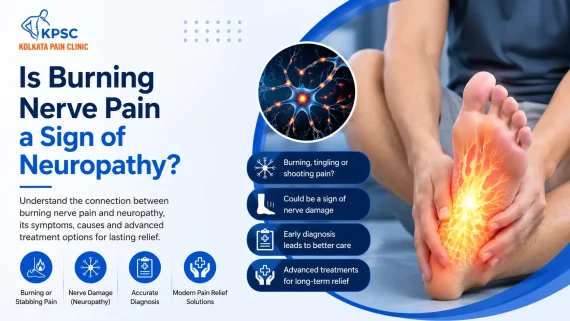
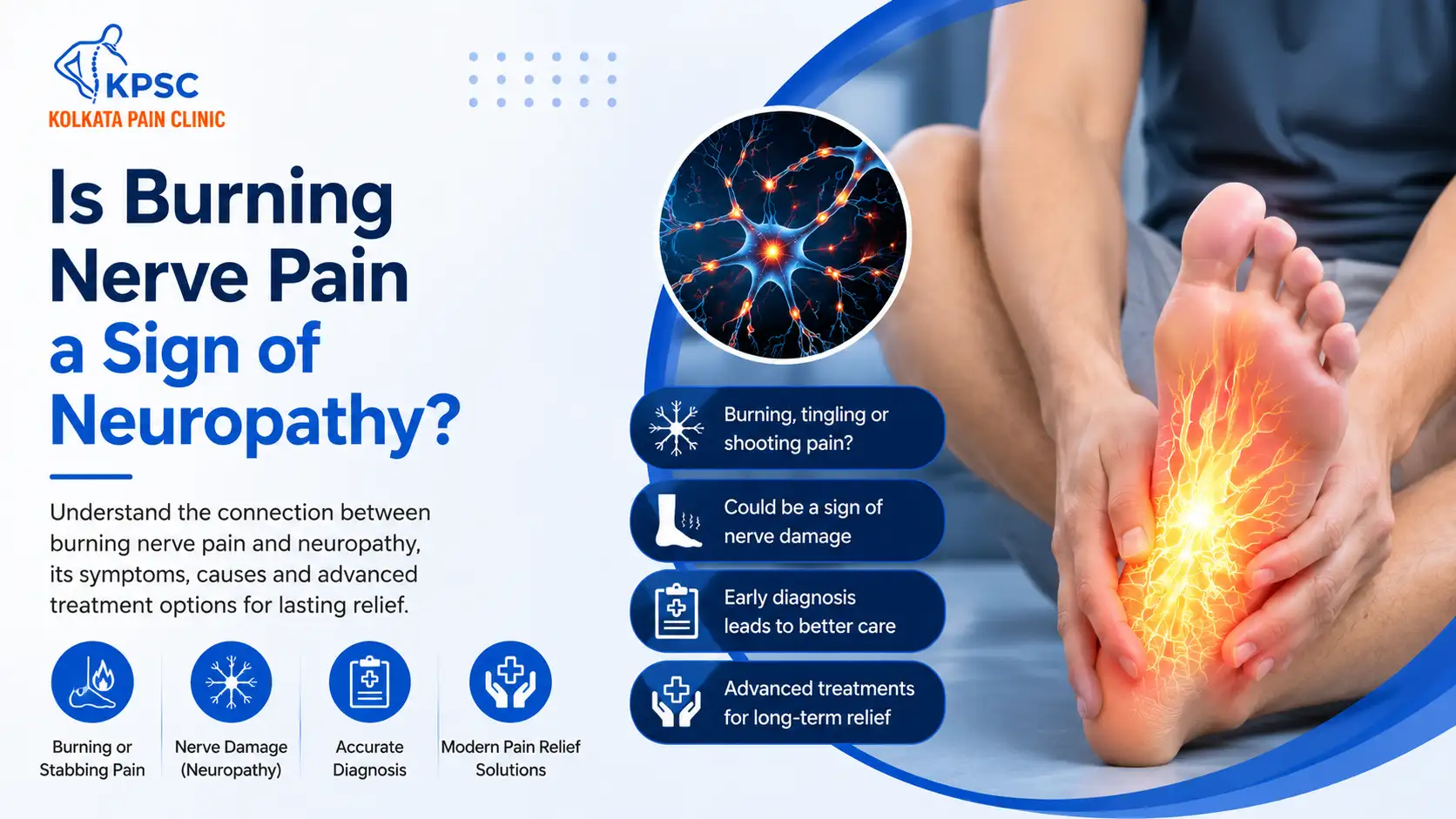
That persistent, fiery sensation in your feet or hands is not just discomfort. It could be a signal that your nerves are damaged or under pressure. Burning nerve pain is one of the most recognised signs of neuropathy, a condition that affects millions of people across India and globally. If you are experiencing this kind of pain regularly, understanding what is causing it is the first step towards finding real relief. This blog covers everything you need to know about burning nerve pain, from its connection to neuropathy to the treatment options available to you today.
Burning Nerve Pain and Its Link to Neuropathy
Neuropathy, or more specifically peripheral neuropathy, occurs when the peripheral nerves, those connecting your brain and spinal cord to the rest of the body, are damaged or malfunction. The nervous system begins sending incorrect or amplified pain signals, resulting in that distinct burning, shooting, or tingling sensation. Burning nerve pain is one of the hallmark presentations of neuropathy. It is not just an ordinary ache. It reflects a deeper disruption in how your nerves are communicating with your brain. Neuropathy affects approximately 6.9–10% of the global
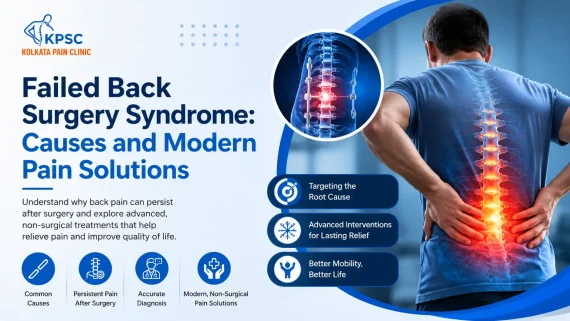
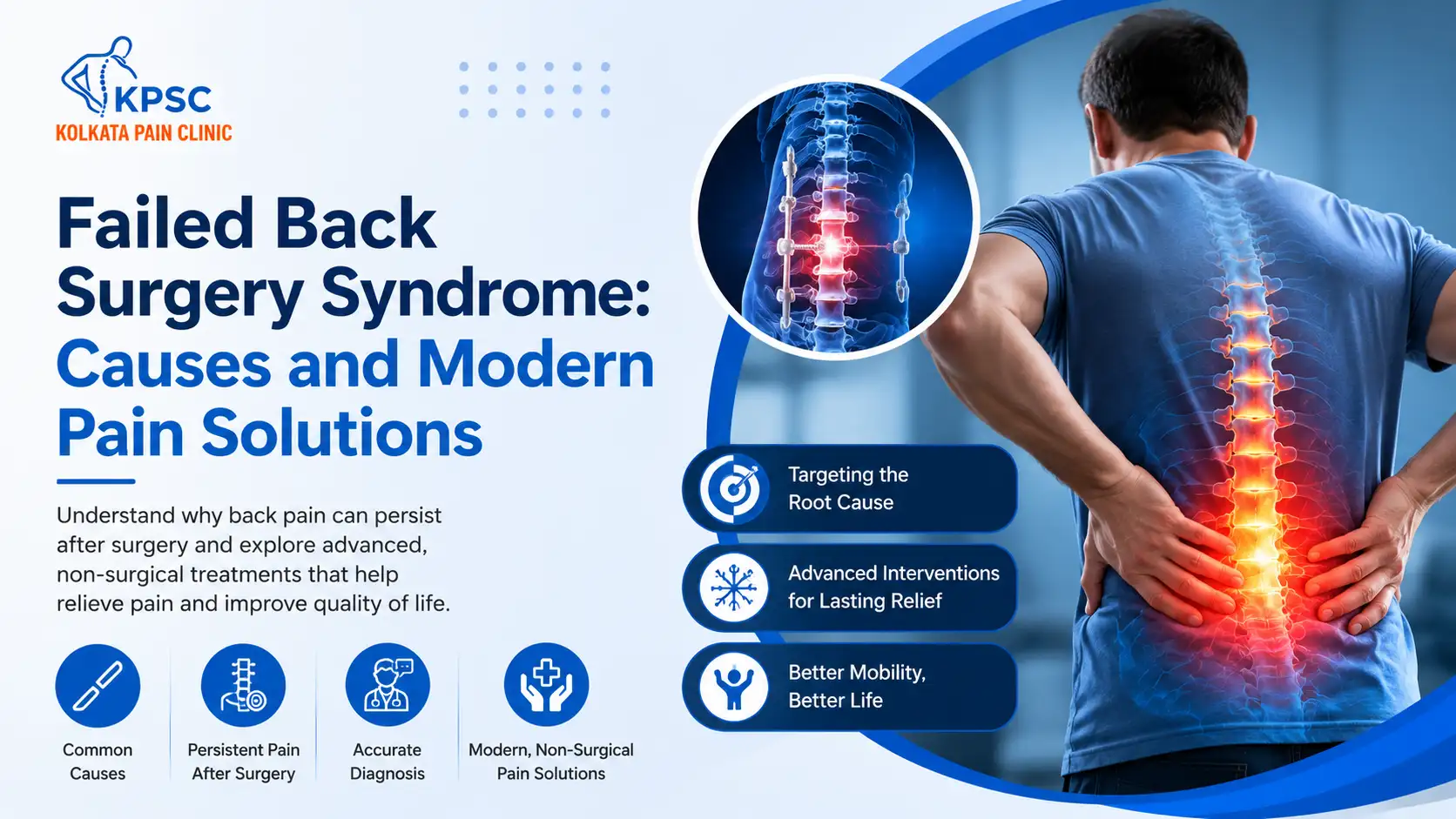
Back surgery is meant to bring relief. But for a significant number of patients, the pain persists or even worsens after the procedure. This condition is known as Failed Back Surgery Syndrome (FBSS), and it is more common than many people realise. If you have had back surgery and are still experiencing pain, you are not alone and proper Failed Back Surgery Syndrome treatment is available. Understanding this condition is the first step towards finding the right path forward.
Failed Back Surgery Syndrome: A Closer Look
Failed Back Surgery Syndrome refers to persistent or recurring back and leg pain that continues after one or more spinal surgeries. The term does not mean the surgery was performed incorrectly. It simply means the desired outcome, long-term pain relief, was not achieved. FBSS is also referred to as Post-Laminectomy Syndrome. It can follow procedures such as laminectomy, discectomy, spinal fusion, or other spinal decompression surgeries. The pain in FBSS is typically a combination of nociceptive and neuropathic pain, making it complex to manage without specialist care.
Common Failed Back Surgery Syndrome Causes
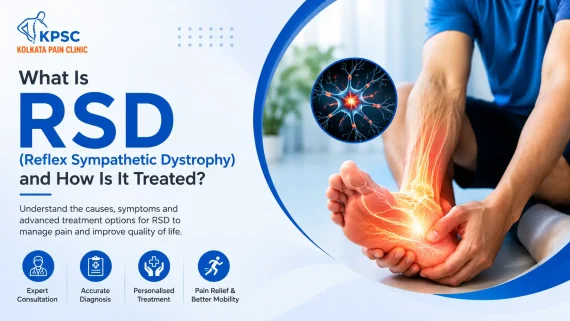
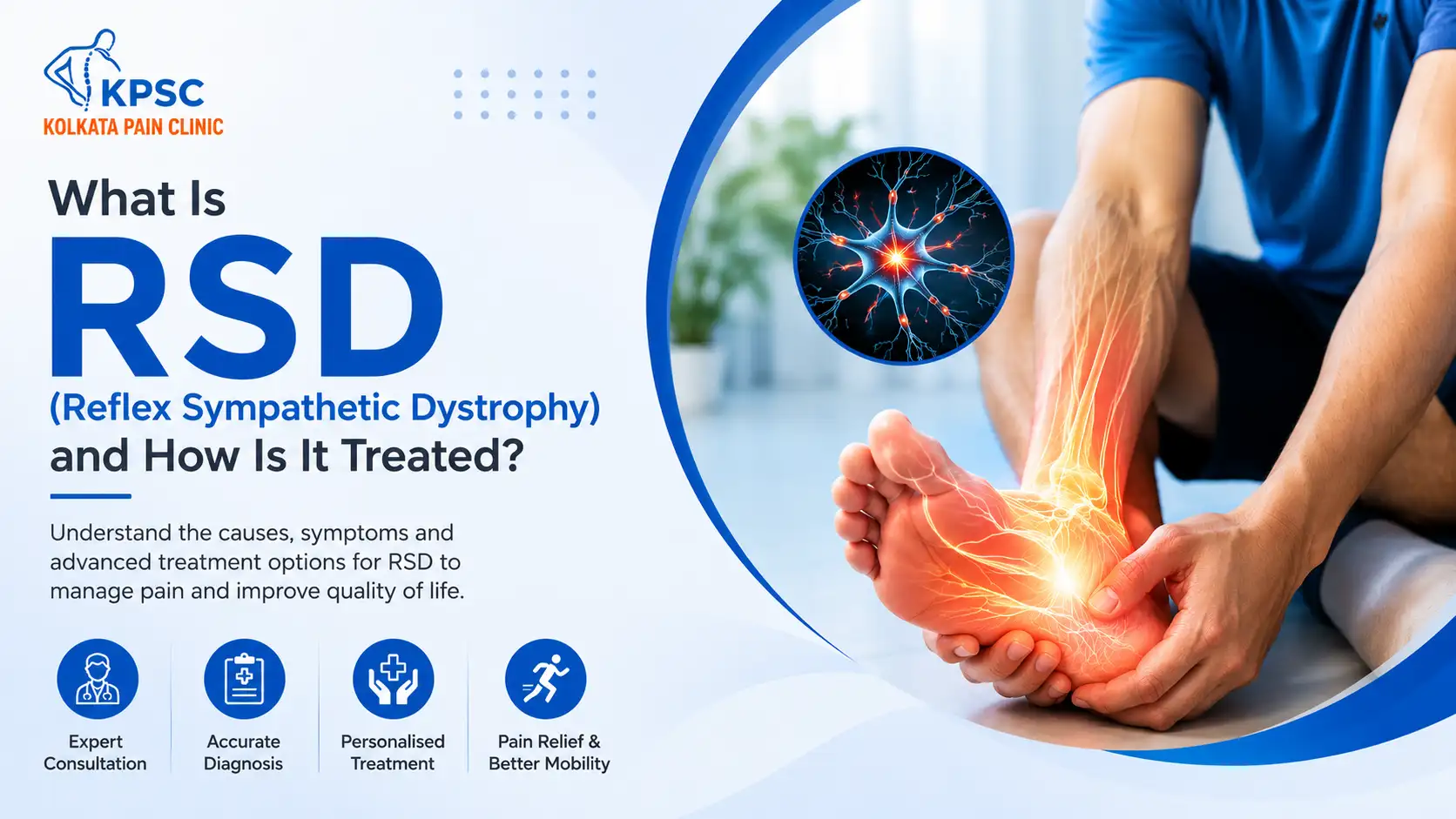
Living with constant, burning pain in your arm or leg is not something anyone should accept as normal. If this sounds familiar, you may be dealing with Reflex Sympathetic Dystrophy, or RSD. This chronic pain condition disrupts daily life and requires proper diagnosis and targeted RSD treatment to manage effectively. Understanding this condition is the first step towards reclaiming your quality of life. In this blog, we will walk you through what RSD actually is, how it presents itself, and what modern treatment options are available, including those offered by specialists right here in Kolkata.
RSD Treatment Starts With Knowing What It Is
Reflex Sympathetic Dystrophy (RSD) is a chronic pain condition, medically known as Complex Regional Pain Syndrome Type 1 (CRPS Type 1). It typically affects one limb, most commonly an arm, leg, hand or foot, following an injury, surgery, or trauma. The key characteristic of RSD is that the pain is disproportionately severe compared to the original injury. The condition arises from an abnormal response of the sympathetic nervous system, which governs blood flow and temperature regulation in the body. Common triggers of RSD include:

Sprain and Strain are two of the most common musculoskeletal injuries, but they are often confused with each other. Many patients often use the terms interchangeably, but from a medical perspective, they are two different conditions that need to be treated in a certain way. It is important to understand the sprain and strain difference in order to ensure proper healing and avoid complications. At Kolkata Pain Relief, patients with sprain and strain injury are provided with proper diagnosis and the latest non-surgical treatment.
The Basic Sprain and Strain Difference Explained Clearly
Though both sprain and strain are injuries of soft tissues, the affected tissues are different. Sprain symptoms usually stem from an injury to ligaments. Ligaments are strong fibers of connective tissue that join bones together. On the other hand, strain symptoms occur from an injury to muscles or tendons. A tendon is a tissue that joins muscles to bones and is responsible for movements. The knowledge regarding sprain and strain difference can help one identify the affected tissue and the treatment method to be used.
What Happens in a Sprain Injury
A sprain occurs when a ligament is stretched beyond its normal capacity or torn. This typically happens due to sudden twisting, falling or impact injuries. Common sites of sprain and strain injury include:
- Ankle
- Wrist

Chronic headaches can be caused by an overlooked source – Occipital Neuralgia. Many chronic headache patients have pain coming from the occipital nerves at the back of their heads, without knowing it. People with occipital neuralgia may feel sharp, shooting or electric shock-like pain that runs from the base of the skull to their scalp and from their neck to behind their eyes when these nerves become irritated or compressed. At Kolkata Pain Relief, patients experiencing chronic headaches are carefully evaluated before classifying them as migraines or tension headaches, to rule out an occipital neuralgia cause. Knowing if someone suffers from occipital neuralgia is very important to providing the correct treatment, as occipital neuralgia treatment differs greatly from standard headache treatments. Seeking assistance from an experienced pain consultant in Kolkata at the earliest time may provide the best opportunity for long-term relief of chronic headache disorder symptoms.
The Anatomy Behind Occipital Neuralgia and Chronic Head Pain
The nerve roots that come from the uppermost part of the spine help provide feeling to the top of your head by moving through muscles at the back of your head. If these nerves become inflamed or compressed which is Cervical Canale Syndrome, you will develop Occipital Neuralgi
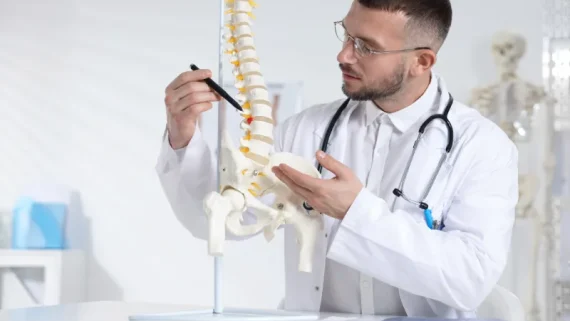


PRP Treatment has proven to be one of the most innovative ways to treat chronic joint and spine pain. Unlike traditional treatments, which only focus on symptom relief, PRP Treatment focuses on the body’s own healing process. It uses the concentrated platelets in your own blood to heal and reduce inflammation in your tissues. At Kolkata Pain Relief, we follow strict medical protocols in our PRP Treatment. Our aim is not only to relieve pain but also to provide long-term functional recovery for patients with chronic joint and spine conditions.
Understanding the Science Behind PRP Treatment
PRP stands for Platelet-Rich Plasma. Platelets are a natural component of blood. They contain growth factors and bioactive proteins that support healing. The procedure begins with a small blood draw. The sample is processed in a centrifuge to concentrate platelets. The platelet-rich plasma is then injected into the affected area under imaging guidance. These growth factors help:
- Stimulate tissue repair
- Improve blood supply
- Reduce inflammation
- Support regeneration of damaged structures
Because PRP Treatment uses the patient’s own blood, the risk of allergic reaction or rejection is extremely low. This makes it a safe regenerative therapy when performed by trained specialists.