
You’re brushing your teeth, or sipping tea, or just stepping out into a breeze, and a bolt of pain shoots across your face. It’s over in seconds. Then it comes back. If that sounds familiar, you’re not imagining it. This is the classic pattern of trigeminal neuralgia. Even Salman Khan has spoken openly about living with it for years, and about how he first took it for a dental problem. Plenty of people make the same mistake, which is why severe facial pain like this so often goes untreated. Here are seven things worth knowing.
What Is Trigeminal Neuralgia?
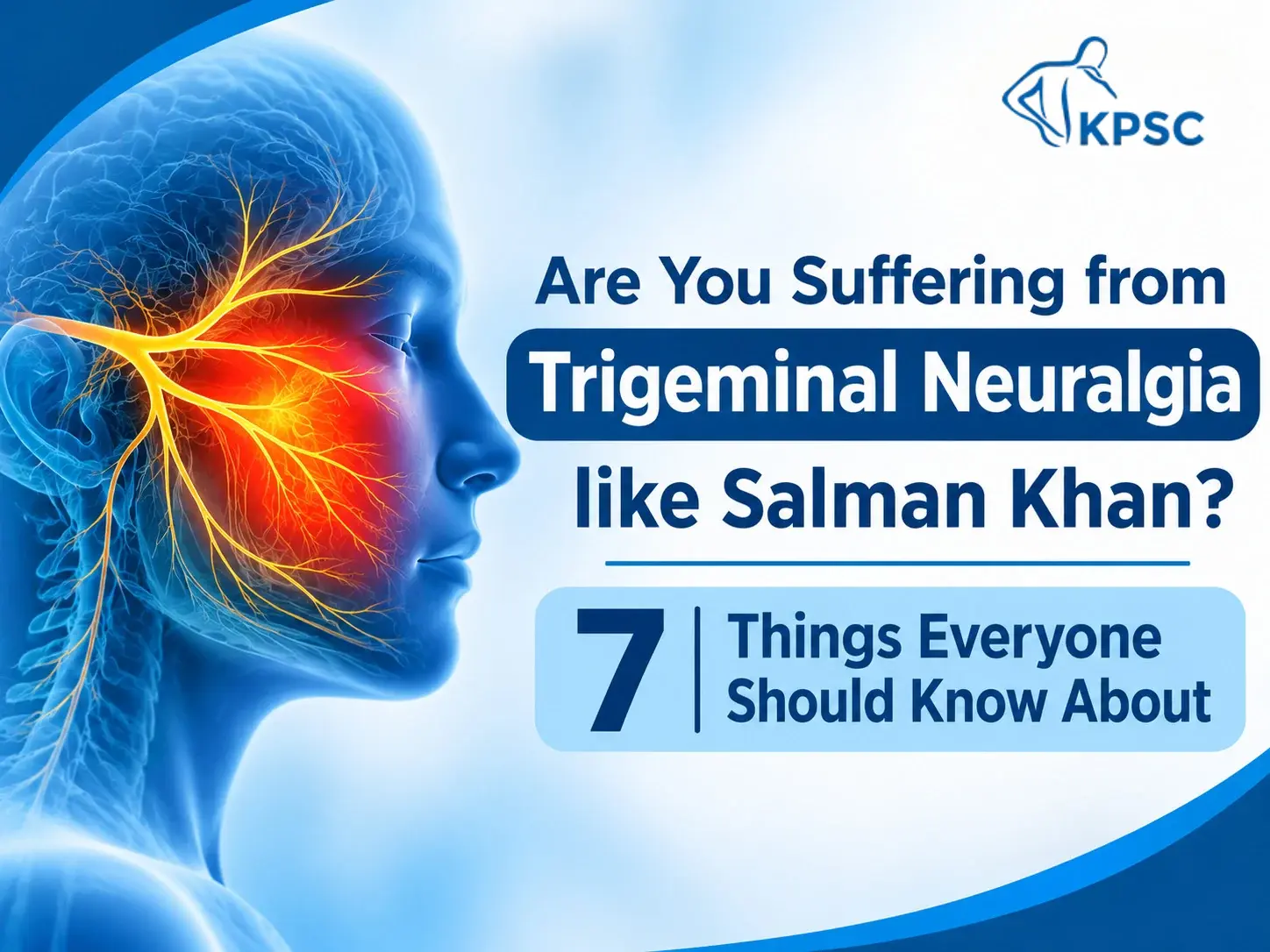
Trigeminal neuralgia is a nerve condition that causes sudden, stabbing, electric-shock pain on one side of the face. It involves the trigeminal nerve, which carries sensation from your forehead, cheek and jaw to the brain. Think of it as a wiring fault. The face itself is fine, but the nerve fires pain signals when it shouldn’t. You may also hear it called facial nerve pain, though strictly speaking it’s the trigeminal nerve that’s involved.
Trigeminal Neuralgia Symptoms to Watch For
The trigeminal neuralgia symptoms are quite distinctive:
- Short, sharp, electric-shock or stabbing pain, usually on one side
- Triggers like brushing, chewing, talking, shaving or a cold breeze
- Attacks lasting a few seconds to a couple of minutes, sometimes coming in bursts
- Pain-free gaps between